Vision Statement
What is BookEase for?
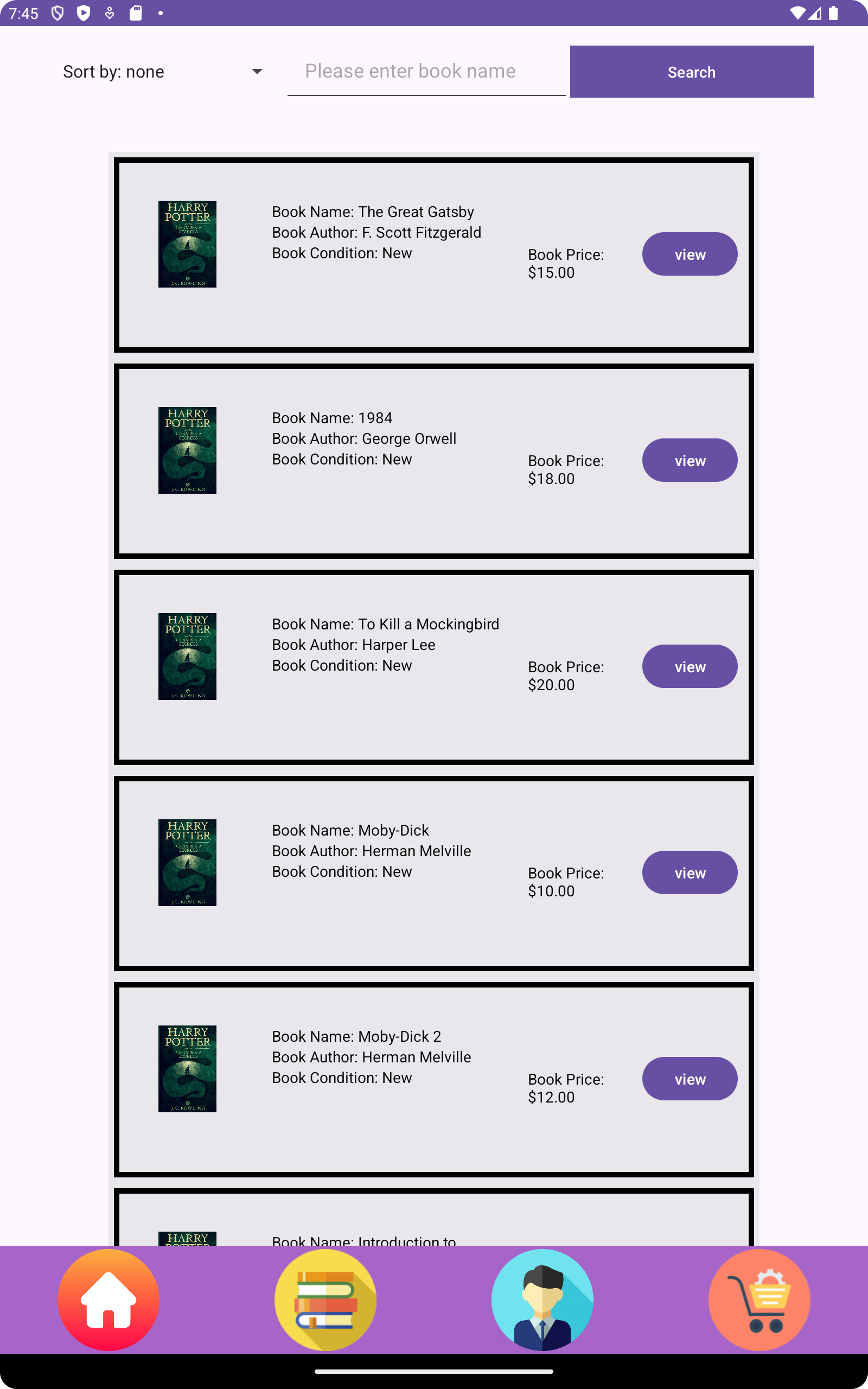
BookEase is a comprehensive platform that redefines the acquisition and management of academic and literary resources, facilitating not only the search and purchase of new and used books but also enabling dynamic information management. It supports sustainable practices by encouraging the recycling of textbooks through a user-friendly marketplace. Moreover, it integrates with university databases to ensure accuracy and ease of access to academic materials, all while providing a personalized experience tailored to the specific needs of its users.
Who is BookEase for?
Primarily designed for the academic community, BookEase serves students, professors, and customer representatives by offering distinct access levels and functionalities. Students benefit from streamlined access to required reading materials for their courses, professors can update course requirements in real time, and customer representatives are equipped with tools for efficient service. Additionally, general customers looking for academic and non-academic books can use BookEase without mandatory registration, making it a versatile resource for a wide audience.
Features
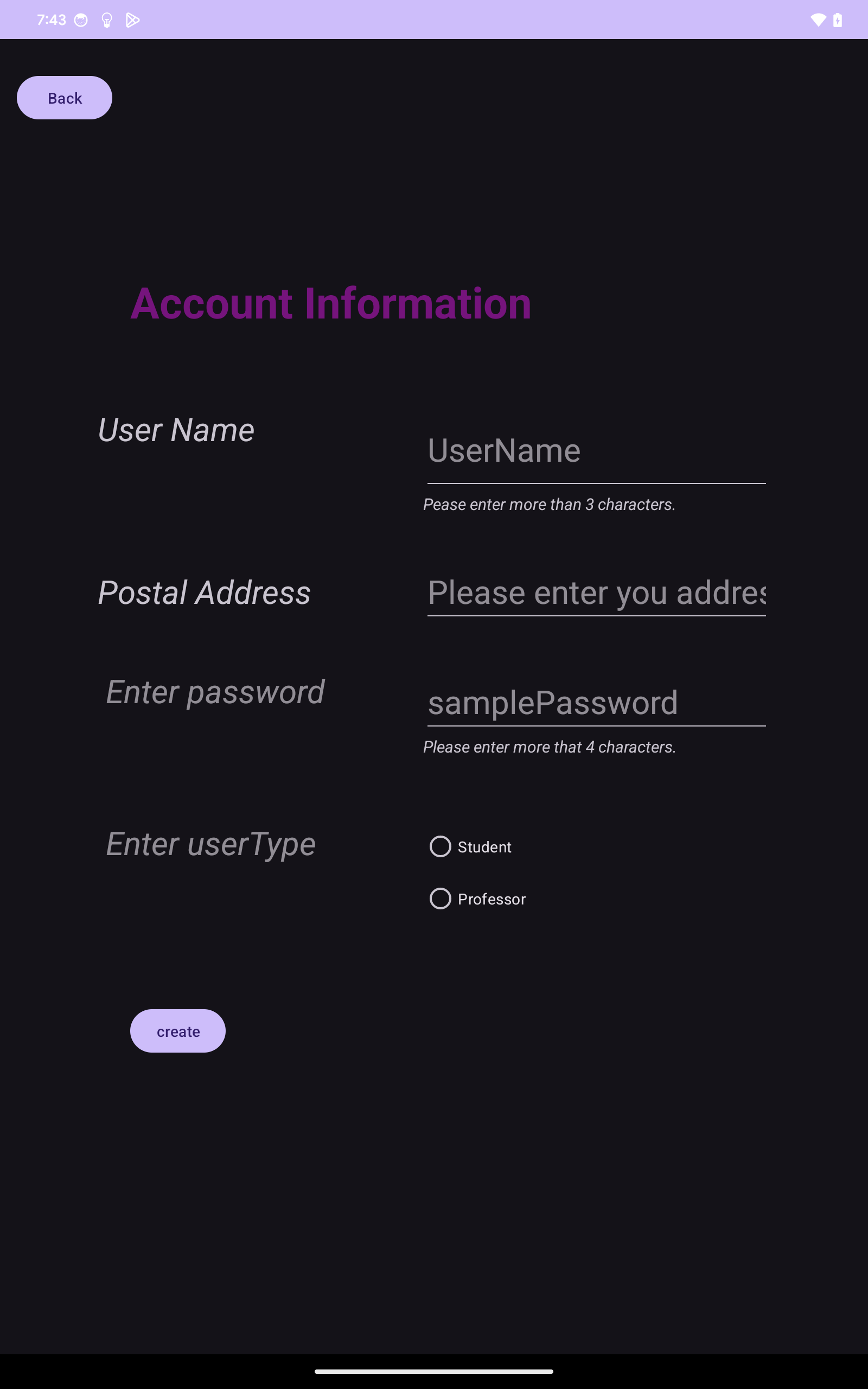
Create Account
Sign up quickly as a student or a professor.
Development Process
Below is the chart depicting estimated vs actual time for the development of this application